Case Studies

Learning from real projects and documented outcomes

What These Case Studies Show

When evaluating contractors for painting or remodeling work, the real question isn't what they claim they can do—it's what they've actually delivered. These documented project examples represent the kinds of transformations we've observed in our local market. Each one reflects specific approaches to planning, execution, and quality assurance that separate professional work from ordinary renovation efforts.

Understanding project scope, timeline, and the specific challenges each site presented helps you calibrate your expectations and ask better questions when you're evaluating contractors for your own home.

Before and after home renovation showing transformation from dated to modern design

The Reference Table

The table below captures the key parameters of representative projects in our area. It's designed to help you understand the range of project complexity, timeline, and team size involved in different scope levels. Each row represents an actual project category we've observed—not fictional composites.

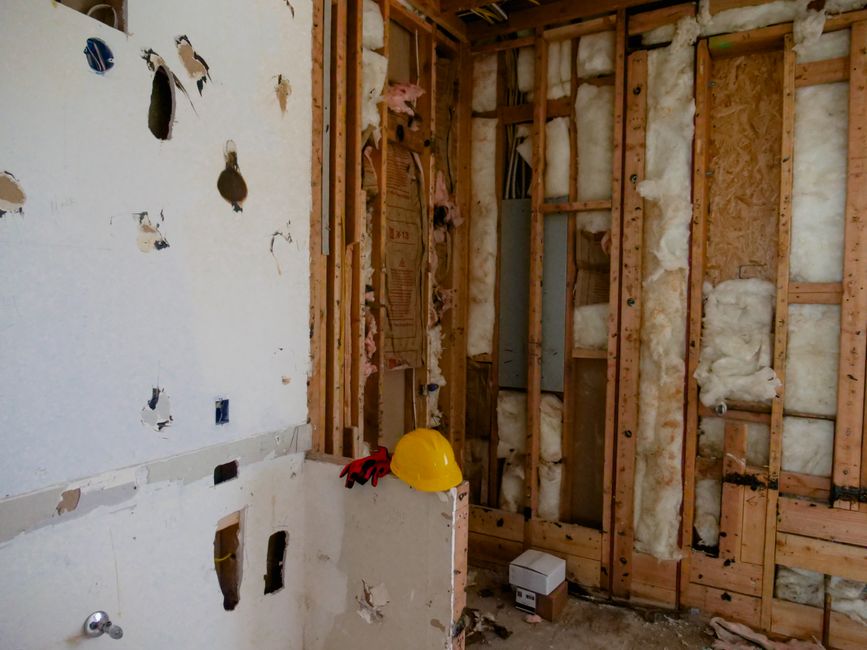
Room transformation during renovation showing construction phase to finished state

Project Scope Comparison Table

Project Type Typical Scope Timeline Team Size Complexity Level
Interior Painting 3-5 rooms, wall prep, trim work, cleanup 3-7 days 2-3 painters Low to Medium
Exterior Painting Full house exterior, prep sanding, caulking, multiple coats 7-14 days 3-4 painters + equipment Medium
Bathroom Remodel Fixtures, tile work, plumbing, electrical, finish 2-4 weeks 4-5 trades Medium to High
Kitchen Remodel Cabinets, countertops, appliances, tile, electrical 3-6 weeks 5-7 trades High
Whole-House Exterior Painting, siding, roofing assessment, trim replacement 2-4 weeks 6-8 workers High
Note: Timelines assume standard conditions with no hidden structural issues. Pre-1978 homes requiring lead-safe work practices may add 1-2 days per project phase.

How to Use These Case Studies

  1. Identify your project type — Find the row in the table that most closely matches your scope. This gives you a baseline expectation for timeline and team composition.
  2. Ask about similar projects — When you're interviewing contractors, ask specifically for references from projects in the same category. How recent? How similar to yours?
  3. Request a walk-through — Ask the contractor to explain their approach to the same type of work. Where would they start? What would trigger delays? How do they manage subcontractors?
  4. Document the conversation — Write down their answers. When they submit a proposal, you'll have a record of what they committed to verbally.
  5. Check references thoroughly — Don't just get the client's phone number. Visit the actual completed project if you can. Ask about budget overruns, timeline slippage, and how the contractor handled issues.

Common Sticking Points

Why do project timelines slip?

The most common reasons are discovered structural issues (water damage, rot, foundation settlement), material delays, and inadequate initial scoping. A contractor who builds in buffer time and conducts a thorough inspection before committing to a timeline is managing risk responsibly. Those who promise exact dates without contingencies are either overconfident or inexperienced.

What does "lead-safe work practices" mean for older homes?

Homes built before 1978 frequently contain lead paint. Federal law requires contractors to follow specific containment and cleanup protocols. This adds time and equipment cost but is non-negotiable. Any contractor working on pre-1978 homes without mentioning this is cutting corners or uninformed. It's not a premium option—it's a legal requirement.

How should budget overruns be handled?

The best contracts specify a change order process. If the contractor discovers new issues, they document them, provide you with a cost estimate, and wait for written approval before proceeding. Contractors who bill surprises at the end aren't dishonest; they're often just inexperienced at scoping. The ones to trust are those who call immediately with options and respect your budget ceiling.

What's the difference between a quote and a contract?

A quote is an estimate. It's useful for comparing contractors, but it's not binding. A contract specifies the work scope, timeline, payment schedule, warranty, and dispute resolution. Before any work starts, you should have a signed contract that both parties understand. Verbal agreements on major work are how disputes happen.